
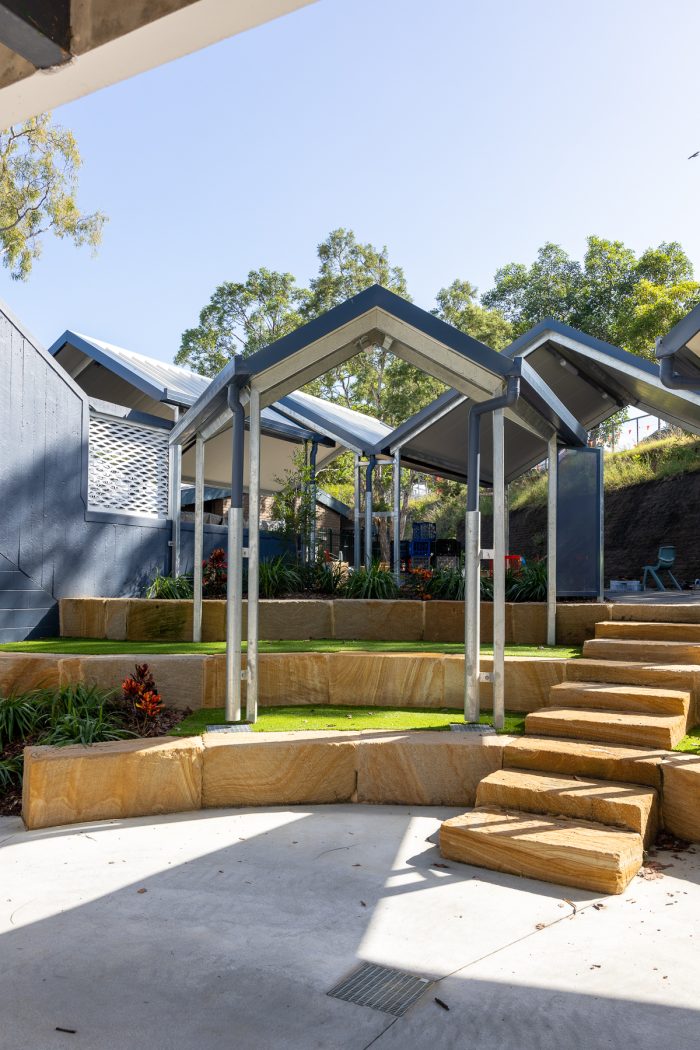
At Orterra, we know that outdoor environments are more than just spaces for recreation. They are active, living classrooms. As education moves away from one size fits all models and embraces differentiated, student centred approaches, there is a growing need for school grounds to reflect and support these shifts. The best school landscapes do not just complement the curriculum. They become part of it.
By aligning outdoor space design with educational pedagogies, we can create environments that promote curiosity, creativity, cultural understanding, independence, and connection to place. In doing so, we help schools bring their teaching philosophies to life in a way that is visible, accessible, and meaningful for every student.
Why Combine Pedagogy and Landscape Design?
Traditional school grounds often prioritised efficiency and control. Large open ovals, standard play equipment, and little consideration for diverse learning needs were common. Today’s schools are different. They are dynamic, inclusive, and shaped by rich educational philosophies. From inquiry based learning to Indigenous pedagogies, each approach offers unique ways of thinking, relating, and engaging with the world.
Combining pedagogy and landscape design:
• Extends the classroom. Learning does not stop at the door. Outdoor environments become places for exploration, experimentation, and reflection.
• Caters to multiple learning styles. Some students learn best through quiet observation, others through hands on activity or collaboration. Landscapes can provide for all of them.
• Supports wellbeing. Connection to nature has proven benefits for mental health, concentration, and emotional regulation (Louv, 2005; Chawla, 2015).
• Builds cultural and ecological connection. Thoughtful design can reflect and respect local cultural narratives, including Aboriginal knowledge systems, and deepen students’ relationships to the land they learn on.
Let’s take a closer look at how specific pedagogies can shape and be shaped by landscape design.
1. Inquiry Based Learning
Pedagogy in Brief:
Rooted in constructivist theory (Dewey, Piaget), inquiry based learning empowers students to ask questions, investigate problems, and build knowledge through exploration. It promotes deep thinking, creativity, and ownership of learning.
Design Implications:
To support this pedagogy, landscapes can include:
• Nature zones with diverse plants, wildlife, and microclimates for observation and questioning
• Loose parts areas with rocks, sticks, water, and sand to encourage experimentation
• Outdoor labs or gardens where students can make and test hypotheses
These spaces allow learners to interact directly with their environment, fostering curiosity and scientific thinking in a real world context.
2. Reggio Emilia Approach
Pedagogy in Brief:
Originating in post war Italy, the Reggio Emilia philosophy views children as capable, curious individuals. The learning environment, considered the third teacher, is central to this approach. Documentation, creativity, and collaborative exploration are key (Edwards, Gandini, & Forman, 2011).
Design Implications:
Landscape design can support Reggio principles through:
• Flexible and beautiful spaces that provoke imagination and invite multiple uses
• Mini ateliers or natural studios where materials are accessible and open ended
• Quiet reflective areas for documentation, discussion, and group dialogue
Natural textures, changing seasonal elements, and freedom to modify spaces all help honour children’s voices and ideas.
3. Montessori Philosophy
Pedagogy in Brief:
Developed by Dr Maria Montessori, this approach is centred on independence, order, and purposeful activity. Children are trusted to make choices and engage deeply with hands on materials in a carefully prepared environment (Montessori, 1967).
Design Implications:
Outdoor Montessori spaces might include:
• Defined activity zones such as gardening beds, practical life stations, or sensory paths
• Child scaled furniture and tools that empower students to act independently
• Orderly, tranquil layouts that promote concentration and self regulation
These spaces mirror indoor Montessori environments and support uninterrupted periods of focus and discovery.
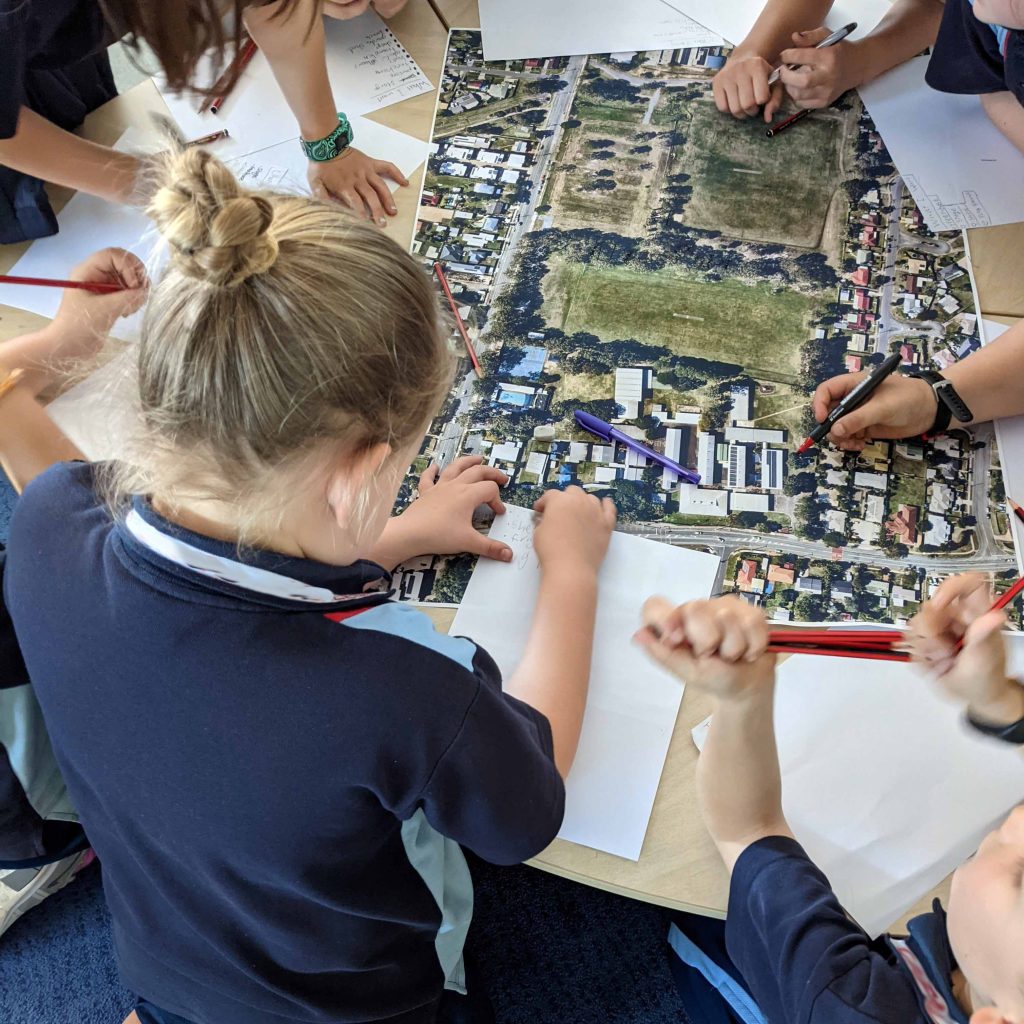
4. David Thornburg’s Learning Spaces
Pedagogy in Brief:
In From the Campfire to the Holodeck (2013), David Thornburg proposes five learning metaphors that represent the varied ways we acquire and apply knowledge:
Campfire, Watering Hole, Cave, Life, and Sandpit
Design Implications:
These metaphors can be embedded into landscape design:
• Campfire: Amphitheatres, yarning circles, or gathering spaces for storytelling and teaching
• Watering Hole: Outdoor seating areas that encourage discussion and connection
• Cave: Quiet corners, sensory gardens, or individual nooks for solitude
• Life: Productive gardens or environmental stewardship projects
• Sandpit: Loose parts, cubby building zones, or interactive water features
Together, these spaces ensure every learner finds a way to connect with their environment and their peers.
5. 8 Ways of Aboriginal Learning
Pedagogy in Brief:
Developed with Aboriginal communities in western NSW, the 8 Ways framework is a cultural and pedagogical guide based on interconnected, place based, and narrative learning systems (Yunkaporta, 2009).
Design Implications:
A landscape designed with the 8 Ways in mind might include:
• Yarning spaces and storytelling trails
• Visual learning paths with culturally relevant artwork or signage
• Natural zones that reflect Country, seasonal change, or local ecosystems
• Collaborative projects that involve families and community members
Working in partnership with Aboriginal educators and local custodians is essential to ensure these spaces are respectful, authentic, and living expressions of culture and learning.
Final Thoughts
By integrating pedagogy and place, we move toward learning environments that are:
• More inclusive
• More engaging
• More connected
At Orterra, we do not just design landscapes. We co-create learning ecosystems. Our work with schools is rooted in dialogue, values, and pedagogy. Because when children learn in places that reflect how they learn best, their potential grows and so does the whole school community.
If you are planning a new school, upgrading an existing space, or simply starting to think differently about how your outdoor environment supports learning, now is the time to act.
At Orterra, we work alongside schools to translate pedagogy into built outcomes. Spaces that are not only beautiful, but purposeful, practical, and grounded in how students actually learn.