
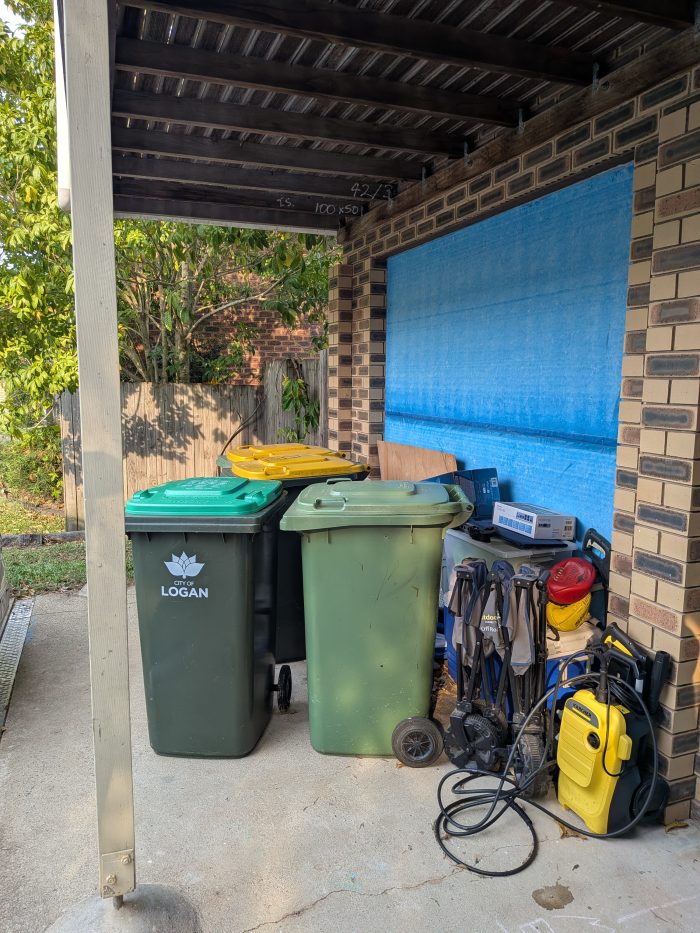
Bin Design Matters More Than You Think
Let’s be honest. Bins are not the most exciting part of a project.
But they can absolutely ruin one.
We have all experienced it. Walking into a beautiful space only to be hit with the smell of waste. Sitting at a café next to a poorly located bin store. Struggling to drag heavy bins across a site that was never designed to accommodate them.
It is a small detail that has a big impact.
At Orterra, we see this time and time again. Bin design is often left until the very end, when in reality it should be considered from the very beginning. Because when it is done well, you do not notice it. When it is done poorly, it is all you notice.
Why Bin Design Is Critical in Residential and Commercial Projects
Good landscape design is not just about how a space looks. It is about how it works every single day.
In residential projects, poorly planned bin storage can affect how you move through your home. If access from the kitchen is awkward, if bins are visible from key living spaces, or if they dominate the street frontage, it starts to impact how the space feels.
In commercial and multi residential developments, the stakes are even higher.
Bin storage and waste management directly affect operations, compliance, and user experience. Poorly designed bin areas can lead to:
• frustrated tenants and staff
• inefficient waste collection and increased servicing costs
• non compliance with council requirements
• odour and hygiene issues that impact surrounding uses
• reduced amenity for customers, particularly in retail and hospitality settings
For cafés, restaurants, schools, and commercial sites, bin placement can influence whether people stay, return, or avoid the space altogether. No one wants to sit next to a bin enclosure, and no operator wants waste collection disrupting peak hours or customer access.
This is where early planning becomes essential.
Designing Bin Areas That Actually Work
The success of bin design comes down to one thing. Integration.
It needs to be considered alongside architecture, access, circulation, and servicing from day one. Not squeezed in later.
At the early planning stage, we start by understanding the site. Is it flat or sloping. How do people and vehicles move through the space. Where are the key entries, active areas, and service zones.
From there, we look at how waste moves through the site. Not just where bins sit, but how they are used. How someone moves from a kitchen to a bin. How a contractor collects waste. How often bins need to be serviced.
For residential projects, this often comes down to creating a simple and direct connection between the kitchen and the bin area, while keeping bins out of sight from key living spaces and the street.
For commercial projects, it becomes more complex. Bin areas need to accommodate larger volumes, multiple waste streams, and regular collection. They need to be accessible for service vehicles without disrupting pedestrian movement or core business operations.
This often means carefully locating bin stores within service zones, ensuring compliant access gradients, and designing spaces that can handle the wear and tear of daily use.
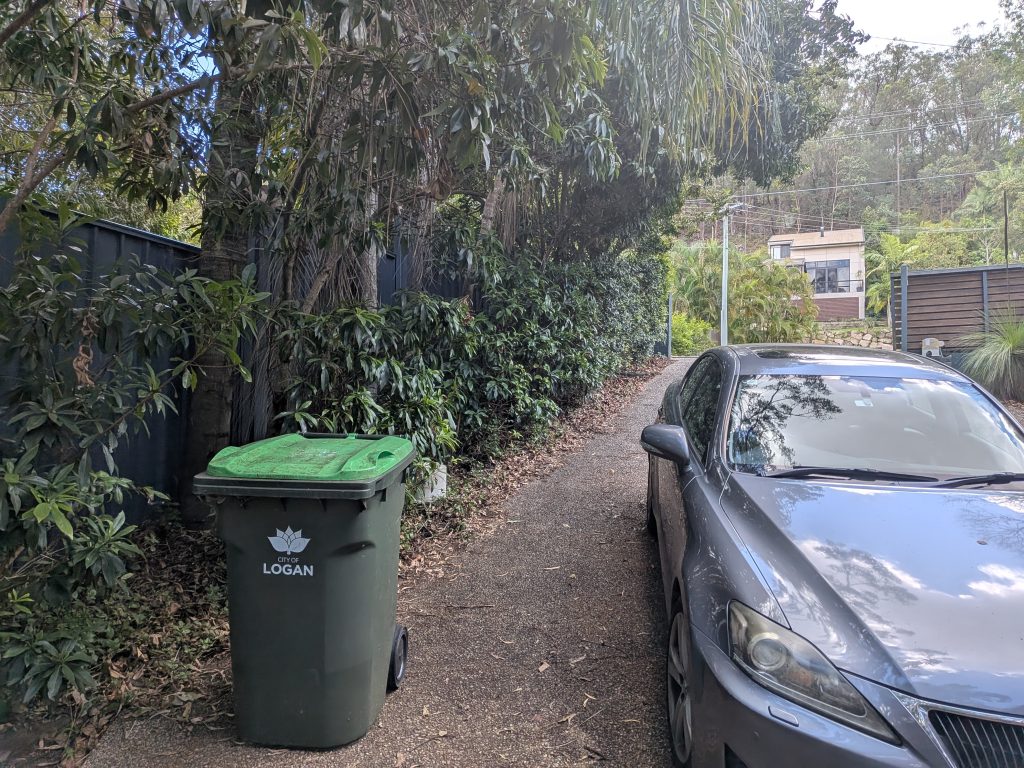
The Details That Make the Difference
Once the location is right, the detailing becomes critical.
Ventilation is essential to reduce odour build up, particularly in enclosed bin stores. Material selection also plays a role. Durable, easy to clean surfaces will perform far better over time than lighter finishes that stain easily.
Space planning is another common issue. Bins often take up more room than expected, especially when you account for movement, access, and multiple waste streams.
Screening is also important. Privacy screens or integrated landscape elements can help conceal bin areas without restricting access or airflow. In many cases, these solutions can be simple and cost effective, but they need to be considered early.
Why This Matters for Approvals and Long Term Performance
From a commercial perspective, bin design is not just about usability. It is also about approvals.
Councils are increasingly focused on waste management, access, and servicing requirements. Poorly resolved bin areas can delay approvals, impact plan sealing, or create issues when a site is being assessed for maintenance handover.
We often see projects where everything else has been resolved, but the bin area becomes the sticking point. Access is too tight. Gradients are not compliant. The location conflicts with other site functions.
These are all avoidable issues when bin design is integrated early.
Getting It Right From the Start
The key takeaway is simple.
Bin design is not an afterthought. It is a core part of how a space functions.
When it is planned well, it supports daily use, improves user experience, and helps projects move smoothly through approvals and into operation.
When it is ignored, it creates friction, frustration, and unnecessary cost.
If you are planning a residential, commercial, or education project, now is the time to think about how your space will actually work.
Not just how it will look.
At Orterra, we help clients resolve these practical challenges early, so they do not become problems later. From concept design through to construction and approvals, we ensure every part of your landscape performs the way it should.
If you want a design that works as well as it looks, get in touch with our team today.
Let’s make sure even the details you do not think about are done right.