
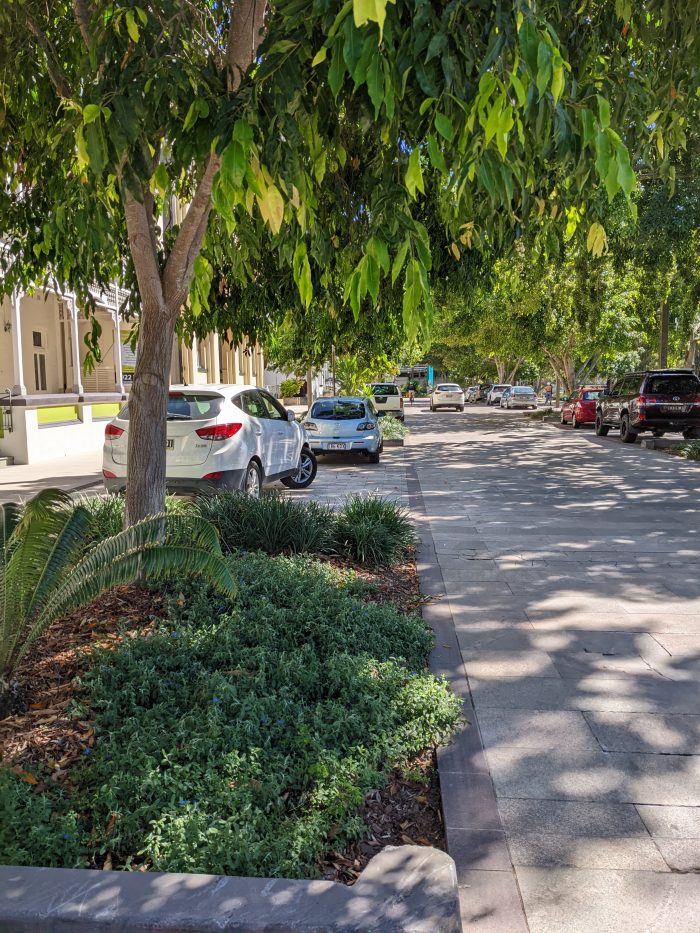
That small strip of land between your fence and the road might not look like much, but it has huge potential.
Across Queensland, verge gardens are transforming ordinary streets into cooler, greener and more liveable places. What was once just turf is now becoming habitat, shade, and community connection.
If you are thinking about creating a verge garden, this guide will walk you through how to do it properly, meet council expectations, and create something that actually thrives.
What is a Verge Garden?
A verge is the strip of land between your property boundary and the road kerb. It is often referred to as the nature strip.
While this land is usually owned by council, many Queensland councils allow residents to landscape and maintain it, provided it remains safe, accessible and compliant.
A verge garden replaces traditional grass with planting, often using native or drought-tolerant species to create a more sustainable streetscape.
Why Verge Gardens Matter in Queensland
Verge gardens are not just about aesthetics. They play a real role in improving how our suburbs function.
A well-designed verge garden can:
- Reduce heat by increasing shade and evapotranspiration
- Improve stormwater infiltration and reduce runoff
- Support biodiversity, including birds and pollinators
- Create more attractive and welcoming streets
- Reduce mowing and long-term maintenance
In a climate like Queensland, where heat and rainfall extremes are increasing, these small interventions can have a big cumulative impact.
However, before you get planting, it is always best to work out what you can and cannot do!
Step 1: Check Your Local Council Guidelines
Before you start planting, always check your local council requirements. Most councils across South East Queensland support verge gardens, but each has specific conditions. These typically cover safety, plant selection, and access.
For example:
- Brisbane City Council allows verge planting but requires safe pedestrian access and visibility at intersections
- Sunshine Coast Council supports nature strip planting with clear guidelines on maintenance and safety
- City of Moreton Bay provides direction on acceptable planting types and access requirements
A quick check upfront will save you time, cost, and potential rework later.
Step 2: Design for Safety First
Your verge garden is a shared public space. This means safety always comes first.
Most councils require:
- A clear pedestrian path, typically at least 1.2 metres wide
- Unobstructed access to utilities such as water meters and services
- Clear sightlines for vehicles, especially near driveways and intersections
- No trip hazards or unstable structures
If your verge design does not meet these requirements, it may not be approved or could be removed.
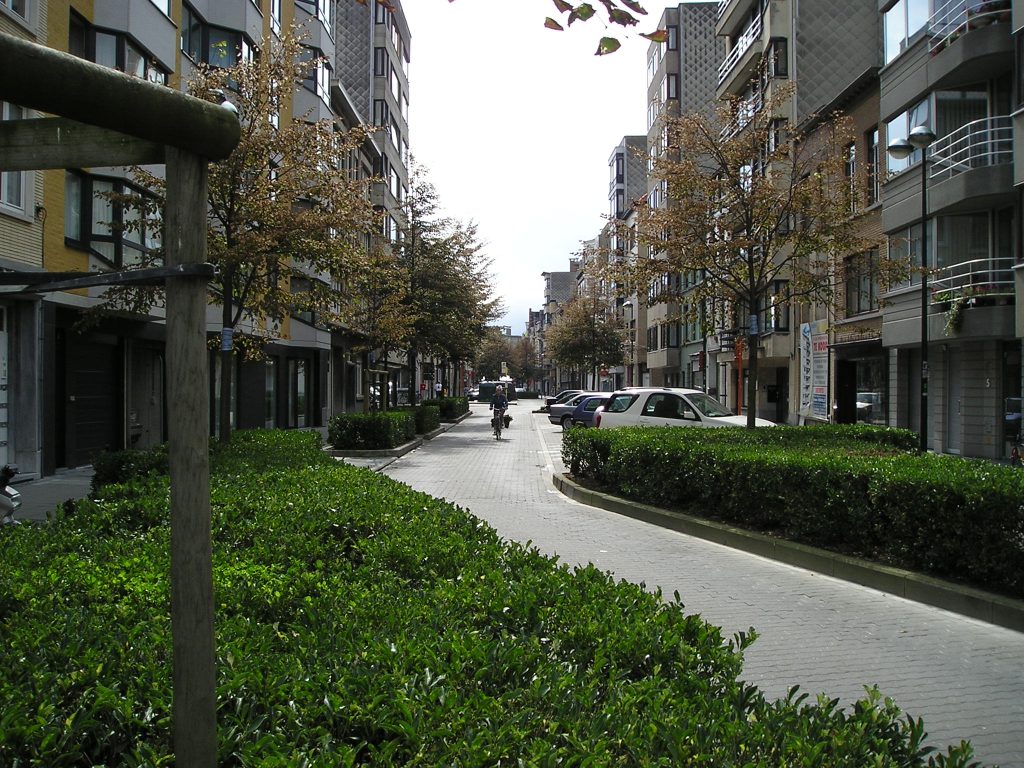
Step 3: Choose Plants That Will Actually Thrive
Plant selection is where many verge gardens succeed or fail. In Queensland conditions, native and climate-adapted species perform best. They are more resilient to heat, require less water, and generally need less maintenance.
When selecting plants:
- Keep heights low in high-visibility areas, often under 500 mm
- Avoid species with thorns, toxic properties, or invasive tendencies
- Select plants suited to your soil and sun conditions
- Consider layering with groundcovers, grasses and feature plants
This is not just about survival. It is about creating a garden that looks good long-term with minimal intervention.
Step 4: Respect Underground and Overhead Services
Your verge is not just soil. It is also a corridor for infrastructure.
Before digging, you need to be aware of:
- Underground utilities such as water, gas and electrical
- Street trees and their root zones
- Overhead powerlines
Deep excavation or inappropriate planting can damage services and create safety risks. Using shallow rooted plants and avoiding heavy structures is generally the safest approach.
Step 5: Avoid Common Verge Garden Mistakes
There are a few recurring issues that can cause problems with verge gardens.
Avoid:
- Raised garden beds without approval
- Loose materials like gravel spilling onto footpaths
- Plants that block visibility
- Overplanting that encroaches on pedestrian space
- Poor soil preparation leading to plant failure
A simple, well-thought-out design will always outperform something overcomplicated.
Step 6: Get Support and Learn from Others
One of the best ways to succeed with a verge garden is to learn from people already doing it. A standout Queensland based resource is Shady Lanes Project.
They provide:
- Verge garden education and practical guidance
- Community support and project assistance
- Resources tailored to local conditions
- A network of people actively transforming their streets
If you are new to verge gardening, this is an excellent place to start. It can help you avoid costly mistakes and fast track your results.
Step 7: Design for Long Term Success
The most successful verge gardens are not the most complex. They are the ones that are easy to maintain and designed for their conditions.
Focus on:
- Good soil preparation
- Water-wise planting
- Clear edges and structure
- Plant groupings that reduce weeds
- Simple maintenance strategies
Think about how the garden will look and perform in one year, three years, and five years.
Verge Gardens Are Small Spaces with Big Impact
A verge garden is more than a personal project. It contributes to your street, your neighbourhood, and the broader urban environment. When done well, it becomes part of the green infrastructure of your suburb, improving liveability for everyone.
Thinking About Designing Your Verge Garden?
If you want to go beyond a basic planting and create something that is functional, compliant and genuinely impactful, professional input can make a big difference. At Orterra, we help design verge and streetscape planting that works with council requirements, climate conditions, and long term performance. If you are ready to transform your verge or garden into something that adds real value to your street, get in touch.