
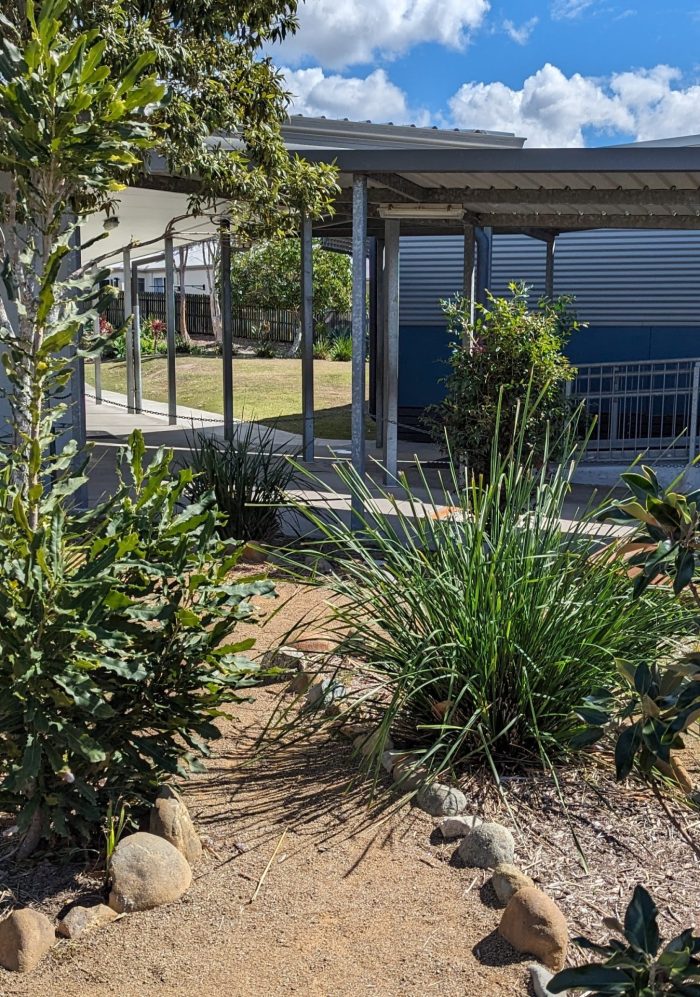
If you’re not familiar with how vital biodiversity and plants are for our planet, take a moment to explore why they’re essential (see our blog on biodiversity here). They provide life, clean air, and endless opportunities for learning. Once you’re up to speed, get ready to discover how outdoor learning, enriched by plants and biodiversity, can transform education in your school.
Outdoor spaces filled with diverse plants create dynamic, hands-on environments where students can connect with nature, deepen their understanding of ecosystems, and improve their well-being. Here are three powerful ways plants and biodiversity can enhance outdoor learning at your school:
1. Create Native or Edible Gardens
This may seem obvious, but you’d be surprised how often it’s overlooked. Many plants people believe to be native are actually not. Using truly native plants is the simplest and most effective way to encourage biodiversity. The key is to use plants native to your specific area. These provide the additional benefit of being tailor-made for your local plants, animals, and environment.
To encourage student learning, create gardens that are not only beautiful but also serve as informative spaces. Many schools design bush food gardens, plant indigenous species, or focus on insect and bird attracting plants. Students can study plant growth, pollination, and the roles of different species in the ecosystem. The key is that these gardens become teaching tools while improving biodiversity.
Native plants have many advantages over exotic species, including:
- Being adapted to the local climate
- Requiring less water
In addition to beautifying the campus, native plants create outdoor classrooms that allow students to immerse themselves in nature. If you want to learn more about why nature is important, click on the link here.
2. Install Habitat Features for Local Wildlife

Another great way to introduce biodiversity into schools is by adding features that support local wildlife. Birdhouses, possum boxes, native bee hives, and insect hotels attract and provide shelter for many species. These features offer valuable learning opportunities as students observe how animals interact with their environment and contribute to a healthy ecosystem.
For example, insect hotels encourage pollinators such as bees and ladybugs, which are vital for plant health. By creating these habitats, schools can directly support local wildlife and increase biodiversity on campus.
3. Develop Outdoor Learning Spaces
Incorporating biodiversity into outdoor learning spaces enriches education and helps students build a deeper connection with nature. Schools can design areas where students engage in hands-on activities like gardening, composting, or environmental science projects. These spaces might include sensory gardens, butterfly gardens, or vegetable patches that support both biodiversity and sustainability.
Outdoor classrooms give students the chance to conduct experiments, monitor plant and animal life, and participate in sustainability projects like composting or planting for climate resilience.

Introducing biodiversity into schools is more than planting trees or creating wildlife-friendly areas. It is about fostering a culture of environmental awareness, respect, and responsibility. By creating native plant gardens, installing habitat features, and developing outdoor learning spaces, schools offer students practical experiences that highlight the importance of protecting biodiversity.
If you want help revitalising your school and creating a biodiverse environment, contact us today. We’d love to help!