
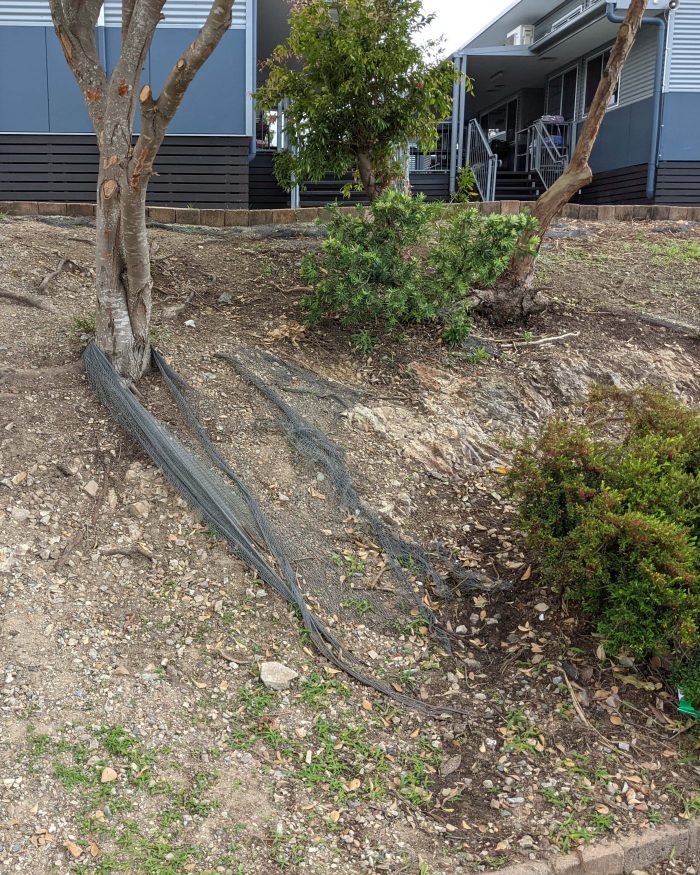
Erosion is a natural process where soil, rock, or other surface materials are worn away and transported by wind, water, or gravity. While it’s a vital part of natural ecosystems, erosion on your property can lead to costly damage, loss of valuable soil, and even structural instability. The good news? You don’t need concrete walls or heavy machinery to solve the problem. Soft engineering solutions work with nature to create sustainable, cost-effective, and beautiful erosion control.
Signs of Erosion on Your Property
Look for these indicators of erosion:
- Exposed roots or bare patches of soil
- Small channels carved into the ground by water runoff
- Sediment buildup at the bottom of slopes or near drainage points
- Tilting fences, retaining walls, or other structures
- Water pooling in areas it shouldn’t
Why Choose Soft Engineering Over Hard Engineering?
Traditional hard engineering solutions – like concrete retaining walls, rock armoring, and gabion baskets – might seem like the obvious answer. But these approaches come with significant drawbacks: they’re expensive to install and maintain, disrupt natural ecosystems, and often create new problems downstream.
Soft engineering, also called bioengineering or nature-based solutions, takes a different approach. These methods leverage the power of nature to combat erosion sustainably. They’re generally cheaper, longer-lasting, more attractive, and more sustainable than hard engineering approaches.
The benefits are clear:
- Cost-effective: Lower installation and maintenance costs
- Sustainable: Works with natural processes rather than against them
- Aesthetically pleasing: Enhances rather than detracts from your landscape
- Ecosystem-friendly: Supports biodiversity and wildlife habitat
- Long-term stability: Creates resilient, self-maintaining systems
How to Deal With Erosion Using Soft Engineering
Plant Strategic Vegetation
Plants are your most powerful allies in the fight against erosion. Their root systems act like underground nets, binding soil particles together and preventing washout. According to University of Sydney research, native trees and shrubs common to East Coast Australia can help reinforce sloping terrain and significantly reduce the risk of landslide and soil erosion.
Best Australian native plants for erosion control:
- Native grasses: Themeda triandra (Kangaroo Grass) and Queensland Blue Grass have deep root systems that stabilize soil and bind it together
- Lomandra: Hardy, low-maintenance, and perfect for binding soil on slopes with its dense fibrous root system
- Deep-rooted shrubs: Acacia and Banksia species provide excellent soil stabilization and support local wildlife
- Poa labillardieri (Common Tussock Grass): Deep-rooted native grass ideal for steep slopes and erosion-prone areas
- Microlaena stipoides (Weeping Grass): Excellent spreading native grass that creates a dense mat to hold soil in place
Redirect Water with Natural Drainage Solutions
Managing water flow is critical to erosion control. Rather than fighting water with concrete channels, soft engineering redirects it naturally:
- Swales: Shallow, vegetated channels that slow water flow and allow infiltration
- Dry creek beds: Rock-lined pathways that mimic natural watercourses, directing runoff safely while looking beautiful
- Vegetative buffers: Strategic plantings along fence lines and slopes that slow water velocity and trap sediment
Use Biodegradable Erosion Control Materials
These temporary solutions protect vulnerable soil while vegetation establishes:
- Coir logs: Made from natural coconut fibers, these act as physical barriers that reduce water velocity and trap sediment while slowly breaking down to enrich the soil
- Jute matting: This biodegradable fabric made from jute plant fibers provides immediate erosion protection while seeds germinate underneath. It’s eco-friendly and commonly used in environmental conservation projects
- Erosion control blankets: Natural fiber blankets that protect soil and retain moisture for establishing plants
Bioengineering techniques offer sustainable, powerful tools for erosion control that integrate seamlessly with the landscape.
Implement Bioengineering Techniques
For more severe erosion, consider these proven bioengineering methods:
- Live staking: Planting live woody cuttings directly into slopes to create instant root systems
- Brush layering: Alternating layers of live branches and soil on slopes
- Vegetated geogrids: Biodegradable grids that support plant growth while providing immediate soil reinforcement
These techniques combine engineering principles with biological methods to create living erosion control systems that strengthen over time.
Preventing Erosion in the Long Term
To keep erosion in check over the long haul:
- Monitor Your Property: Check after heavy rains or storms for new signs of erosion
- Maintain Vegetation: Keep plants healthy and replace any that die off – your living erosion control system needs care
- Invest in Soil Health: Regularly add organic matter, use mulch, and avoid compacting soil through heavy foot or vehicle traffic
- Think in Layers: Establish multiple levels of vegetation from groundcovers to trees for comprehensive protection
- Work With Professionals: For large-scale erosion issues, consult a landscape architect or soil bioengineering specialist for tailored solutions

The Bottom Line
Erosion doesn’t require expensive concrete solutions. Soft engineering and bioengineering approaches offer a smarter path forward – one that’s more affordable, sustainable, and beautiful. Whether it’s planting deep-rooted native vegetation, redirecting water with vegetated swales, or protecting vulnerable soil with biodegradable jute matting, these nature-based solutions will save you time and money while preserving your land for years to come.
Addressing erosion is an investment in the health and sustainability of your property – one that pays off in stability, aesthetics, environmental benefits, and peace of mind.
Ready to solve your erosion challenges naturally? Contact us today to discuss soft engineering solutions tailored to your property.