
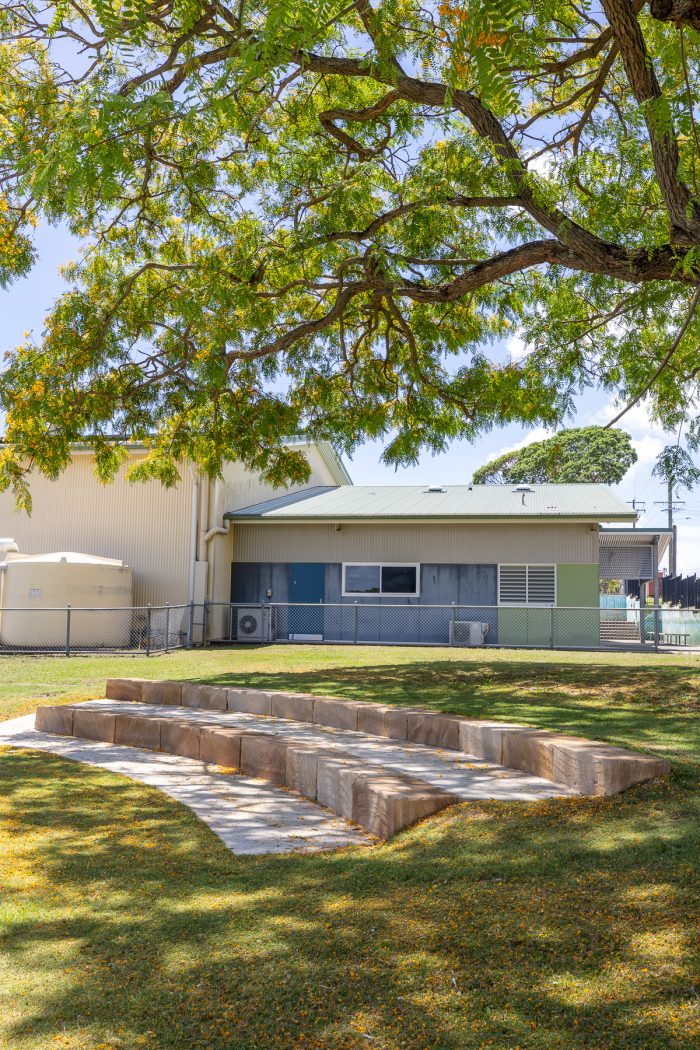
When we talk about future focused schools, the conversation often centres on buildings, technology, and indoor learning spaces. Yet one of the most powerful tools for learning, wellbeing, and climate resilience already sits outside the classroom.
Green infrastructure in schools remains underused, despite its proven benefits for students, teachers, and communities. At Orterra, we see school landscapes as critical infrastructure. Not just outdoor areas, but living systems that support learning, health, and the environment.
So why is green infrastructure still missing from so many school environments, and why should that change?
What is green infrastructure in schools
Green infrastructure refers to natural and nature based systems that work with the environment rather than against it. In school settings, this can include:
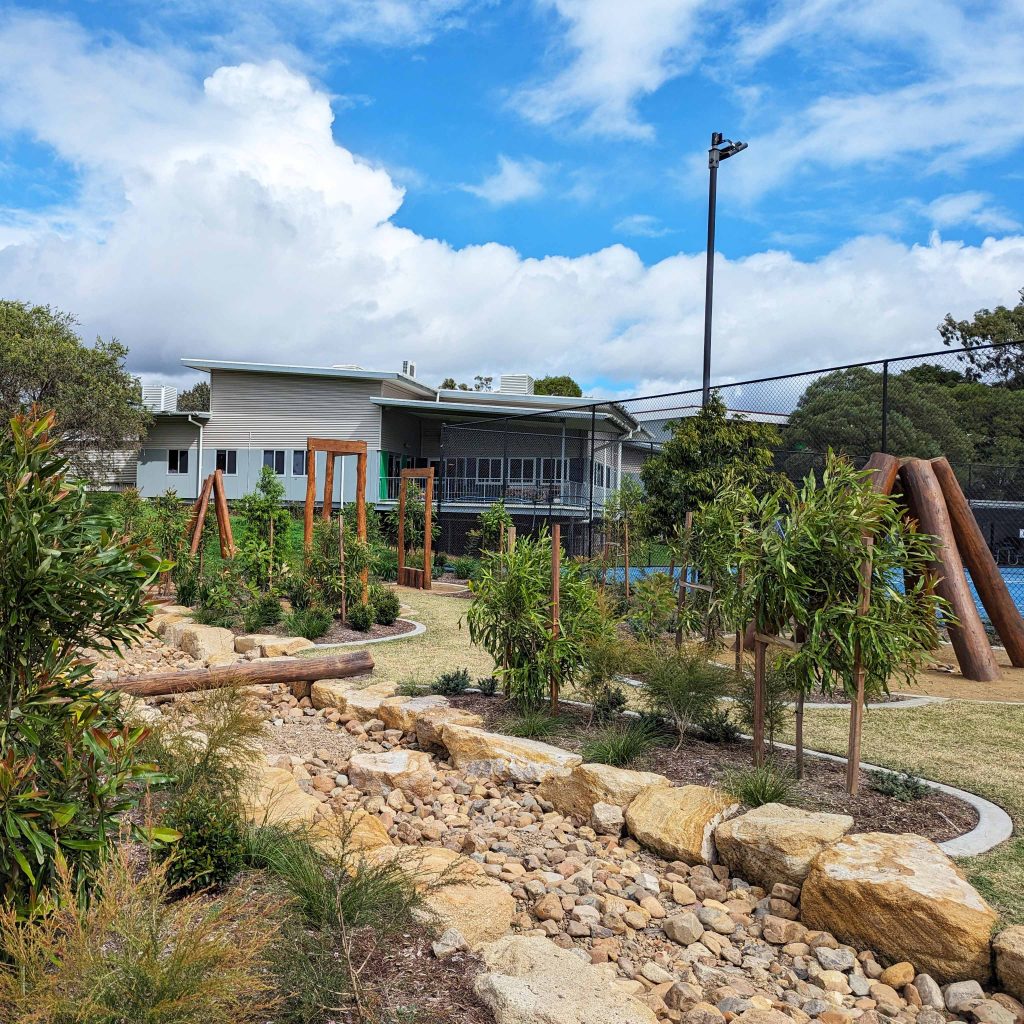
• Rain gardens and bioswales that manage stormwater on site
• Permeable paving that reduces runoff and heat
• Canopy tree planting for shade and cooling
• Native and biodiverse planting that supports habitat
• Vegetated corridors and outdoor learning landscapes
• School grounds designed as living classrooms
When done well, green infrastructure in schools performs multiple roles at once. It manages water, improves comfort, supports biodiversity, and creates meaningful learning environments.
Why green infrastructure matters for schools
Health, wellbeing, and learning
Access to green spaces has been shown to improve concentration, reduce stress, and support physical and mental health. Shaded outdoor areas create opportunities for learning beyond the classroom, while views to nature improve comfort for both students and teachers.
Schools that integrate green infrastructure often see stronger engagement, calmer outdoor spaces, and greater opportunities for play, reflection, and inquiry based learning.
Environmental and operational benefits
Green infrastructure helps schools respond to real environmental challenges. Stormwater is treated on site rather than pushed downstream. Tree canopy reduces heat and lowers cooling demand. Water sensitive design supports climate resilience during heavy rainfall events.
Over time, these systems can reduce operational costs while improving environmental performance.
Education through experience
Perhaps most importantly, green infrastructure turns sustainability from a concept into something students can see and touch. Rain gardens become science lessons. Tree canopy becomes climate education. Biodiversity corridors become places of observation and care.
The landscape itself becomes part of the curriculum.
Why green infrastructure is often overlooked
Despite the benefits, green infrastructure in schools is still frequently sidelined. Common reasons include:
• Perceived upfront cost and tight capital budgets
• Concerns about maintenance and ongoing care
• Limited understanding of how green infrastructure works
• A focus on buildings over landscapes in planning processes
• Risk aversion and reliance on standard design solutions
Too often, landscapes are treated as decoration rather than infrastructure. When green infrastructure is added late or without proper planning, it can feel complex or risky. When it is integrated early, it becomes logical, efficient, and effective.
Making green infrastructure work in real school environments
Green infrastructure does not need to be all or nothing. The most successful school projects start with realistic, well planned steps.
Start early and integrate
Embedding green infrastructure during master planning allows water, shade, learning, and maintenance to be considered together. Early integration avoids costly retrofits and missed opportunities.
Link to learning
When green infrastructure is tied to curriculum outcomes, it becomes essential rather than optional. Students can monitor water flow, track plant growth, and engage directly with ecological systems.
Design for maintenance
Low maintenance planting, clear maintenance plans, and community involvement make green infrastructure more resilient over time. When care is planned from the start, risk is reduced.
Build confidence through demonstration
Pilot projects and staged implementation allow schools to see benefits quickly. One rain garden or shaded corridor can become the catalyst for broader change.
The role of landscape architects in school green infrastructure
Landscape architects play a critical role in translating green infrastructure into practical, achievable school outcomes. At Orterra, we focus on:
• Designing green infrastructure that supports learning and play
• Aligning systems with school budgets and maintenance capacity
• Creating landscapes that perform ecologically and socially
• Treating school grounds as essential infrastructure, not leftover space
When green infrastructure is designed with intention, it becomes an asset that grows in value over time.
Rethinking school landscapes
Schools face growing pressures from climate change, student wellbeing needs, and environmental responsibility. Green infrastructure offers a way to respond to all of these challenges at once.
If we treat green infrastructure in schools as core infrastructure rather than an optional extra, the question shifts. Not why should we do this. But why would we not?
We would love to hear from you about your school project. Contact Us today to talk.