

Every September, Australia celebrates Biodiversity Month, recognising the extraordinary variety of living things that sustain our environment, health, communities and economy.
Biodiversity includes far more than the plants and animals we can easily see. It extends from soil microbes and insects to waterways, forests and the ecological relationships that connect them all.
Infrastructure is often viewed as separate from this living world. We picture roads, drains, bridges, retaining walls and concrete corridors. But what if infrastructure could do more than minimise environmental harm? What if it could actively support biodiversity?
At Orterra Landscape Architects, biodiversity is not something added at the end of a project. It is a guiding principle that influences how we plan, design, restore and integrate infrastructure into the surrounding landscape.
What Does Biodiversity Mean in Infrastructure Design?
Biodiversity in infrastructure projects is not simply about adding trees and shrubs once the engineering work is complete. It is about creating and protecting the ecological processes that allow landscapes to function.
Depending on the project and its location, this could include:
- Providing native flowering plants for pollinators
- Improving soil health so diverse plant communities can establish
- Retaining mature trees and existing habitat
- Connecting fragmented habitat areas
- Protecting waterways and improving water quality
- Supporting the movement of native wildlife
- Managing weeds and invasive species
- Creating varied habitat for insects, birds, frogs, reptiles and mammals
The goal is to move beyond landscaping as decoration and treat biodiversity as a meaningful project outcome.
Can Infrastructure Become Habitat?
Infrastructure can fragment habitats, alter drainage patterns and place pressure on local ecosystems. However, when landscape architects, engineers, ecologists and project teams work together from the beginning, infrastructure can also become part of the natural system.
Green bridges, fauna crossings and connected planting corridors can help wildlife move more safely through developed landscapes. The Australian Government describes wildlife corridors as landscape connections that link habitat and support the movement of species in search of food, water and other resources.
Vegetated drainage systems can slow and filter stormwater while creating habitat for insects, frogs and other wildlife. Revegetated embankments can stabilise soil, reduce erosion and introduce layers of native grasses, groundcovers, shrubs and trees.
Road verges, drainage corridors, detention basins and rehabilitated creek systems can all contribute to biodiversity when they are designed as living infrastructure rather than leftover space.

Designing With Local Ecology
Successful biodiversity design begins with understanding the site.
What plant communities occur naturally in the area? Which species are suited to the local soil, rainfall and climate? Where are the existing habitat connections? How does water move through the landscape? Are there wetlands, waterways, mature trees or sensitive ecological areas that should be protected?
This understanding helps shape decisions about:
- The location and alignment of infrastructure
- Retention of existing vegetation
- Locally appropriate plant palettes
- Soil preparation and rehabilitation
- Waterway restoration
- Habitat connectivity
- Weed management
- Construction methods and staging
Choosing locally appropriate plants is about more than creating a native planting palette. The plants must also be suited to the conditions they will experience, including flooding, drought, poor soils, reflected heat, limited maintenance and disturbance.
By working with local ecological systems, infrastructure can become more resilient and better connected to its surroundings.
Turning Biodiversity Goals Into Visible Outcomes
Words such as sustainability and biodiversity often appear in design reports, but their value should be visible in the finished landscape.
A successful biodiversity outcome might be:
- A creek corridor that supports native fish and aquatic life
- A roadside verge filled with flowering species for native pollinators
- A rehabilitated embankment with healthy, stable soil
- A drainage basin that holds, filters and cleans stormwater
- A connected habitat corridor that allows wildlife to move through the landscape
- A diverse planting community that can adapt to changing conditions
- The return of frogs, birds or insects to a previously degraded site
These outcomes do not happen by accident. They result from informed design, collaboration and a clear understanding of how the landscape should function over time.
Planning for Biodiversity From the Beginning
The best opportunities to protect and enhance biodiversity are often identified during the earliest stages of a project.
When landscape and ecological considerations are introduced early, they can influence infrastructure alignments, grading, drainage, tree retention, habitat connections and the allocation of space for planting.
Leaving these decisions until the end can result in narrow planting areas, conflicts with services, unnecessary vegetation removal and landscapes that struggle to establish.
Early landscape architecture input helps biodiversity become part of the project structure, rather than a response to the spaces left after every other decision has been made.
Biodiversity Continues Beyond Construction
A project is not ecologically successful simply because plants were installed.
Long term biodiversity depends on how the landscape is established, maintained, monitored and adapted. Maintenance practices need to respond to plant establishment, seasonal conditions, weed pressure, wildlife needs and the changing structure of the landscape.
This may involve:
- Staged maintenance as vegetation matures
- Monitoring plant survival and species diversity
- Managing weeds before they dominate
- Protecting habitat features
- Adjusting management practices in response to site conditions
- Monitoring water quality and erosion
- Replacing unsuccessful species with better suited alternatives
Good stewardship allows the landscape to become more diverse, resilient and ecologically valuable over time.
Why Biodiversity in Infrastructure Projects Matters
Infrastructure shapes how our cities and communities grow, how people move and how water travels through the landscape. These projects can remain in place for decades, giving every design decision a lasting impact.
Integrating biodiversity into infrastructure projects can help create:
- Cleaner waterways
- Healthier soils
- Greater tree canopy
- Cooler urban environments
- More connected habitat
- Landscapes that are resilient to changing climatic conditions
- Greener and healthier communities
It can also help infrastructure sit more comfortably within its setting, creating places that perform their practical purpose while contributing something positive to the wider environment.
Creating Infrastructure That Supports Life
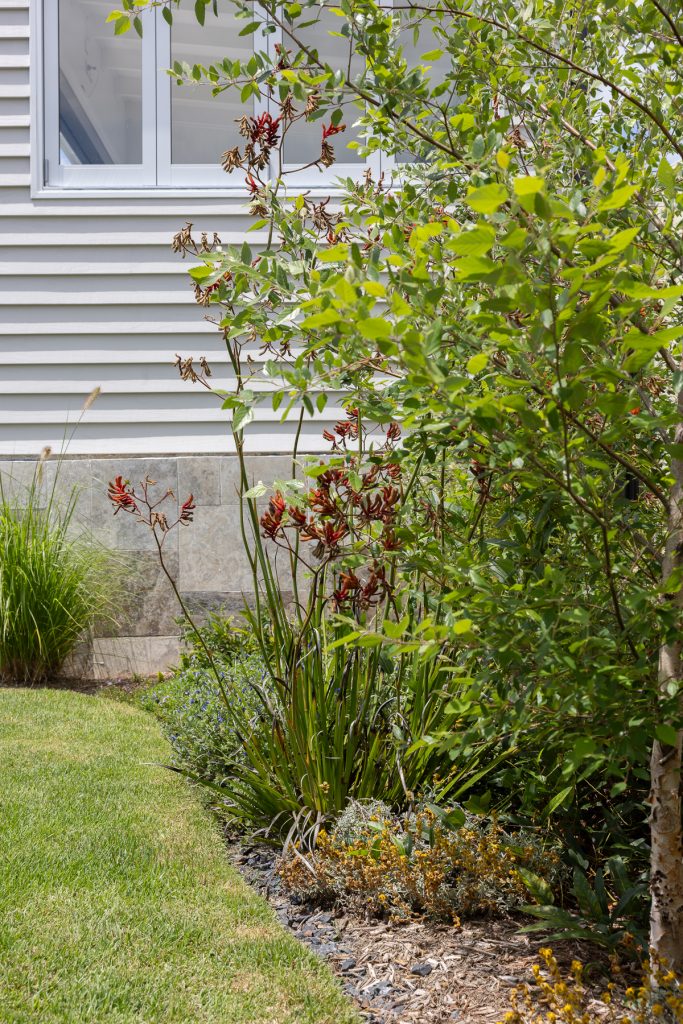
Biodiversity in infrastructure may not always look like a pristine wetland or an untouched forest. Sometimes it is the hum of native bees along a rehabilitated road verge. It may be frogs returning to a vegetated drainage basin, young trees forming a future canopy or wildlife moving safely through a connected corridor.
These outcomes may appear small, but together they help build healthier and more resilient landscapes.
At Orterra Landscape Architects, we believe biodiversity can be a practical and achievable part of modern infrastructure design. If you are planning an infrastructure project, speak with our team early. We can help identify opportunities, integrate ecological thinking into the design and create infrastructure that supports life as well as movement.