
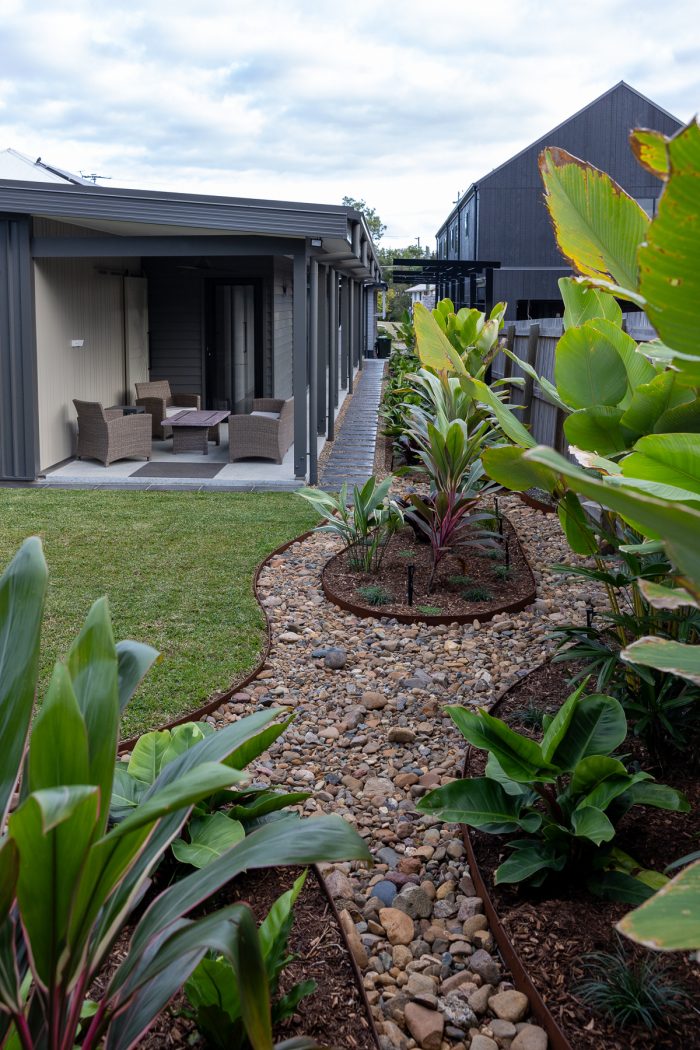
The Most Expensive Garden Mistake? Building Before You Design
You have chosen the pool. You know where you would like the lawn. You have saved photographs of paving, planting and outdoor kitchens. Perhaps you have even started gathering quotes from landscapers and contractors. So, do you really need a landscape design before construction begins?
For a very simple garden, perhaps not. But if your project includes a pool, retaining walls, paving, steps, drainage, lighting, structures or several different trades, starting construction without a resolved design can become an expensive exercise in making decisions on the run. A landscape design is not simply a pretty drawing of the finished garden. It is the plan that brings every part of the project together before anyone starts digging. Without it, your garden may still get built. The harder question is whether it will work, whether it will stay within budget and whether it will become the place you imagined.
What Happens When You Build a Garden Without a Landscape Design?
When there is no complete landscape design, each contractor usually concentrates on their individual part of the project. The pool builder focuses on the pool. The concreter looks at the paving. The contractor building the retaining wall concentrates on the wall. The electrician considers the lighting, while the landscaper deals with the soil and plants.
Each trade may do their work well, but who is looking at the garden as a whole?
Who is checking that the pool level works with the house and lawn? Who is making sure the paving drains in the right direction? Who has allowed enough space for a shade tree to grow? Who is coordinating the outdoor kitchen, lighting, services and circulation? Without a landscape design, that responsibility often falls to the homeowner, usually while construction is already underway and decisions need to be made quickly. That is when problems, compromises and additional costs begin to appear.
1. Every Contractor May Be Pricing a Different Garden
Asking several contractors to quote without a detailed design does not always produce genuinely comparable prices. One contractor may allow for concrete paving while another assumes stone. One may include drainage, soil preparation and irrigation while another leaves them out. Plant sizes, quantities, finishes and construction details can vary considerably. The quotes may look as though they are for the same project, but each contractor could be imagining something different.
A landscape design gives contractors a shared set of information. This makes their prices easier to compare and helps you understand what is included before you commit.
2. Your Budget Can Be Spent in the Wrong Places
Most landscape projects involve choices. You may want a pool, a generous entertaining area, established trees, an outdoor kitchen and beautiful materials, but the budget may not comfortably deliver everything at once. A considered design helps you decide where your money will make the greatest difference. Perhaps the mature shade tree is more important than premium paving throughout. Maybe the entertaining area should be built now, while a firepit can be added later. Perhaps simplifying a retaining wall will release money for planting, lighting or better soil.
Without an overall plan, the first elements built can consume a disproportionate amount of the budget. By the time planting and finishing details are considered, there may be very little left for the things that make the garden feel welcoming and complete.
3. Levels and Drainage May Be Resolved Too Late
Levels are among the least glamorous parts of landscape design, but they influence almost everything. They determine how you move between the house and garden, where steps are required, how high retaining walls need to be and where stormwater will flow. When levels are not resolved early, you may discover that a path is too steep, a retaining wall needs to be higher, water runs towards the house or the pool sits awkwardly within the garden.
These are not problems that can be solved with a few extra plants. Changing a level on a drawing is relatively simple. Changing completed paving, drainage or retaining walls is disruptive and expensive.
4. Construction Access and Sequencing Can Become a Problem
A beautiful garden can be difficult to build if nobody has considered how materials, machinery and trades will access the site. This is particularly important for narrow residential blocks, renovations and new homes where access becomes restricted as construction progresses.
If the pool is installed before retaining work is complete, can machinery still reach the backyard? If the side path is paved early, will it be damaged when soil and plants are brought through? If the house is finished before drainage and garden levels are coordinated, will completed building work need to be altered?
A good landscape design considers not only what will be built, but how it can be built in a logical sequence.
5. The House and Garden Can Feel Disconnected
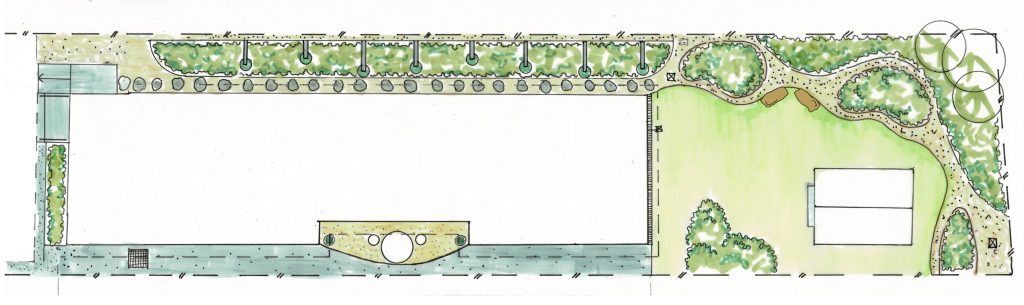
Your garden should not feel like a collection of separate features placed around the outside of your house. The best residential landscapes respond to the architecture, internal rooms, views, sunlight and the way your family lives. Doors should open naturally to useful outdoor spaces. Materials should relate to the home. Planting should frame views, provide privacy and soften the architecture. Outdoor areas should feel comfortable at the times of day when you are most likely to use them.
When the house and garden are designed separately, opportunities can be lost. Windows may overlook a fence, outdoor living areas may receive too much afternoon sun and pathways may follow awkward routes. This is why we encourage clients to think about the landscape while planning their new home or renovation, rather than waiting until the building is almost finished.
6. Planting Becomes Whatever Fits in the Space Left Over
Plants are often the last part of a landscape to be installed, but they should not be the last part considered. Trees need adequate soil volume and room for their roots and canopy. Screening plants need enough width to grow properly. Garden beds need suitable soil, drainage and access for maintenance. When planting is planned too late, garden beds are often reduced to narrow strips between paving, pools, fences and retaining walls. The plants are then expected to provide shade, privacy and greenery in spaces that cannot support healthy growth. A landscape design protects room for the living parts of the garden from the beginning.
7. More Decisions Have to Be Made During Construction
Construction already involves a steady stream of questions. When there is no resolved design, the number of decisions increases significantly. Where should this step go? How wide should the path be? What paving should we order? Where does the water drain? Which side should the gate open? How high should the wall be? Where will the lights and power points go?
Making these decisions individually can seem manageable, but every choice affects something else. A design allows you to work through these questions carefully before construction begins. You can see how the garden fits together, understand the priorities and make decisions without a contractor waiting on site for an immediate answer.
Two Gardens, One Construction Budget
Imagine two homeowners who each have a landscape construction budget of $150,000.
The first homeowner approaches the trades directly. Each contractor prices and builds their part of the project. As construction progresses, levels need to be adjusted, drainage is added, materials change and completed work has to be modified. The garden is eventually built, but some of the budget has been spent resolving avoidable problems.
The second homeowner invests in a landscape design before requesting construction prices. The design coordinates the pool, paving, retaining walls, drainage, planting, lighting and access. Contractors price the same information, major decisions are made in advance and the client understands what they are building.
Both homeowners spend money on their gardens.
The difference is that one budget is focused on creating the garden, while part of the other is spent fixing problems along the way.
Does Landscape Design Add to the Cost of a Project?
Landscape design is an additional professional service, but that does not mean it is simply an additional project cost. Good design helps you understand what can be achieved within your budget. It identifies potential problems before construction and provides better information for contractors to price and build from.
It can also reveal opportunities you may not have considered, including better connections with the house, more useful outdoor spaces, improved privacy and ways to stage the project over time. Most importantly, it gives you greater clarity before committing a significant amount of money to construction.
Can a Landscape Design Help If You Cannot Build Everything at Once?
Yes. A complete design is particularly valuable when a garden needs to be constructed in stages. It ensures that the work completed today will support what you want to add in the future. Services can be positioned correctly, access can be retained and early works can avoid obstructing later stages. You may decide to complete the pool, retaining walls and main entertaining area first, then add secondary spaces and detailed planting as the budget allows. Without an overall plan, staged construction can result in repeated work or decisions that limit future options.
When Should You Engage a Landscape Architect?
The ideal time is earlier than most people think. For a new home, landscape design should begin while the house is still being designed. This allows the building and landscape teams to coordinate floor levels, outdoor connections, tree locations, drainage, access and services. For a renovation, it is best to begin before the building design is finalised or major external work has commenced.
If construction has already started, it is not necessarily too late. However, the earlier the landscape is considered, the more opportunities there are to improve the outcome and avoid unnecessary costs.
A Garden Is Too Important to Work Out as You Go
You would not ask a builder to construct an extension without a plan and simply decide where the walls, doors and windows should go along the way. A substantial garden deserves the same level of thought.
Landscape design gives you a clear vision, coordinates the practical details and helps your construction team understand what they are working towards. It protects space for plants, supports better budget decisions and reduces the number of surprises that appear once work begins.
If you are building a new home or planning a renovation, involve Orterra before the outside becomes the space left over. We can help you design the house and garden as one connected place, giving you a clear plan for construction and a garden that feels right from the moment you step outside.