
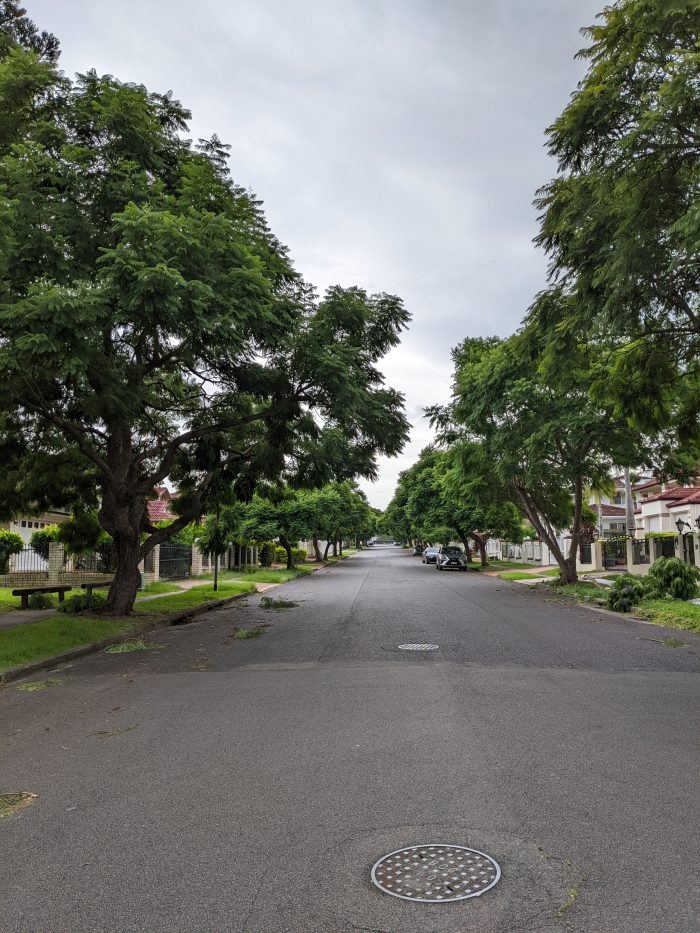
When we think about infrastructure, most of us picture roads, footpaths, drainage pipes, and power lines. Rarely do we place street trees in the same category when really, street trees ARE infrastructure, not just decoration. Too often, they’re seen as bonus aesthetic points—nice to have, but expendable when budgets tighten or upgrades begin.
In reality, they perform measurable, functional roles that support climate resilience, public health, and the long-term performance of our streets. Reframing how we view street trees is essential if we want cities that are cooler, healthier, and more liveable.
Nature’s Cooling System
Did you know that shaded streets can be 5–10°C cooler than streets fully exposed to the sun? This temperature difference isn’t just about comfort—it has real implications for heat stress, energy use, and public health.
Street trees cool our cities in several powerful ways:
- Shading
Tree canopies block solar radiation from directly heating pavements and buildings. The larger and denser the canopy, the greater the cooling effect beneath it. This doesn’t just cool surfaces—vegetation also lowers surrounding air temperatures, creating a more comfortable streetscape overall.
- Strategic placement
Where trees are planted matters. Trees positioned perpendicular to prevailing winds can enhance cooling by creating shaded, sheltered areas beneath their canopies, improving pedestrian comfort even further.
- Evapotranspiration
Through their leaves, trees release water vapour back into the atmosphere. This natural process absorbs heat from the surrounding environment, effectively acting like a built-in air-conditioning system while also supporting the local water cycle.
- Natural Sponges and Filters
Street trees play a vital role in managing stormwater and reducing pressure on traditional drainage systems. Think of them as living sponges and filters embedded within our streets.
Depending on species and site conditions, tree canopies intercept rainfall, slowing its descent and reducing the volume of water that reaches hard surfaces. This can significantly reduce stormwater runoff, lowering the risk of flooding and erosion during heavy rain events.
Below ground, trees continue to do the hard work. Their roots create channels in the soil, improving porosity and increasing the ground’s ability to absorb and store water. At the same time, tree roots and surrounding soils filter pollutants from stormwater, improving water quality before it enters waterways.
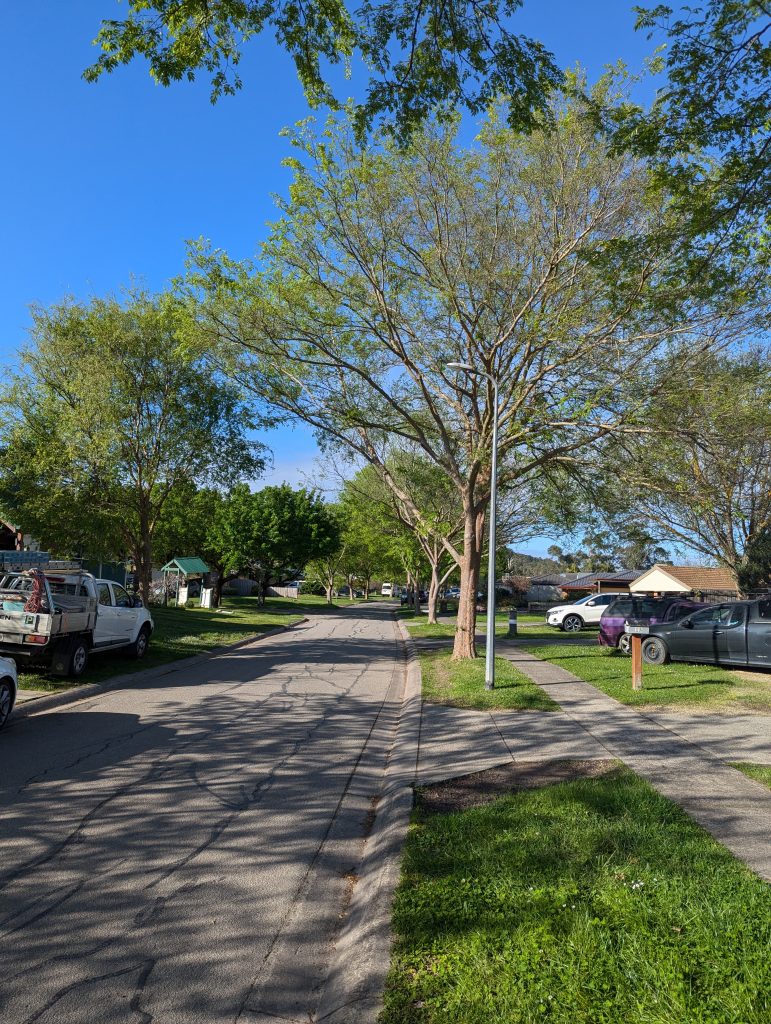
Streets Designed for People
We’ve all experienced it—you step outside planning to walk around the block, only to turn back when there’s no shade and the sun is relentless. Streets without trees actively discourage walking, cycling, and outdoor activity.
Shaded streets change this entirely. They invite people to walk, ride, and linger. You’re more likely to stay outside longer when trees provide relief from the heat, even during the middle of the day.
Beyond physical comfort, street trees support mental wellbeing. Exposure to green streetscapes has been linked to reduced stress and improved mental health. Whether you’re walking beneath a leafy canopy or simply looking out an office window at trees lining the street, greenery has a profound impact on how we feel and function.
The Long-Term Value of Street Trees
The benefits of street trees extend well beyond environmental outcomes—they also make strong economic sense.
Streets with established trees are associated with:
- higher property values
- increased retail activity and foot traffic
- Trees also help reduce long-term maintenance costs by:
- protecting pavements from heat-related damage
- reducing demand on stormwater infrastructure
When planned and managed well, street trees are a low-cost, high-return investment for communities. Cities that treat trees as core infrastructure are more resilient, healthier, and more attractive places to live.
Recognising trees as infrastructure also encourages better collaboration between engineers, planners, and landscape architects—leading to streets that work harder and last longer.
More Than Just Looking Pretty
There’s no denying that street trees enhance the visual appeal of our streets. But their value goes far beyond aesthetics. They are often the first element removed during infrastructure upgrades, and our streets suffer as a result. Replacement planting can take decades to deliver the same level of benefit as a mature tree.
Street trees should be viewed as living assets, not optional beautification. If we truly want resilient, liveable cities, we must reshape our thinking and recognise the vital role street trees play in the urban infrastructure network.
Because once they’re gone, the cost of replacing what they provide is far greater than the cost of keeping them.